Fish oil: Miracle or myth
What is our daily omega 3 intake amount? Is fish the best source of getting omega 3? What would vegetarians consume then? Let’s find out
How much Omega-3 should we consume per day? What is the recommended dose of Omega 3 every day?
According to the intake recommendation for fatty acids decided by National Academy of Medicine, an average adequate intake of Omega-3 fatty acids for an adult would vary from 1.1 gm to 1.6 gm and for pregnant women, it would be almost 1.4 gm. The dosage of nutrients is very important as they throw light on the lack or excess of nutrients in a diet both of which would be detrimental to one’s health. Although the recommended Omega 3 dosage for adults varies slightly between various health organizations, if we consider EPA or DHA amounts it ranges between 250-500mg considering EPA+DHA. For correct intake recommendations of alpha linolenic acid (ALA), 1.1 as well as 1.6 gm is recommended for both men and women which would depend on other factors like co-morbidities, bio individuality, food allergies. For people with high glyceride levels, the omega 3 daily dose could be increased to 2000 mg or more but this dosage should be decided after consultation with doctor. Similarly, for people with anxiety and depression like symptoms, high omega 3 doses would be useful in easing the symptoms of depression as well as similar mental issues.
Is supplementation better than consuming fish?
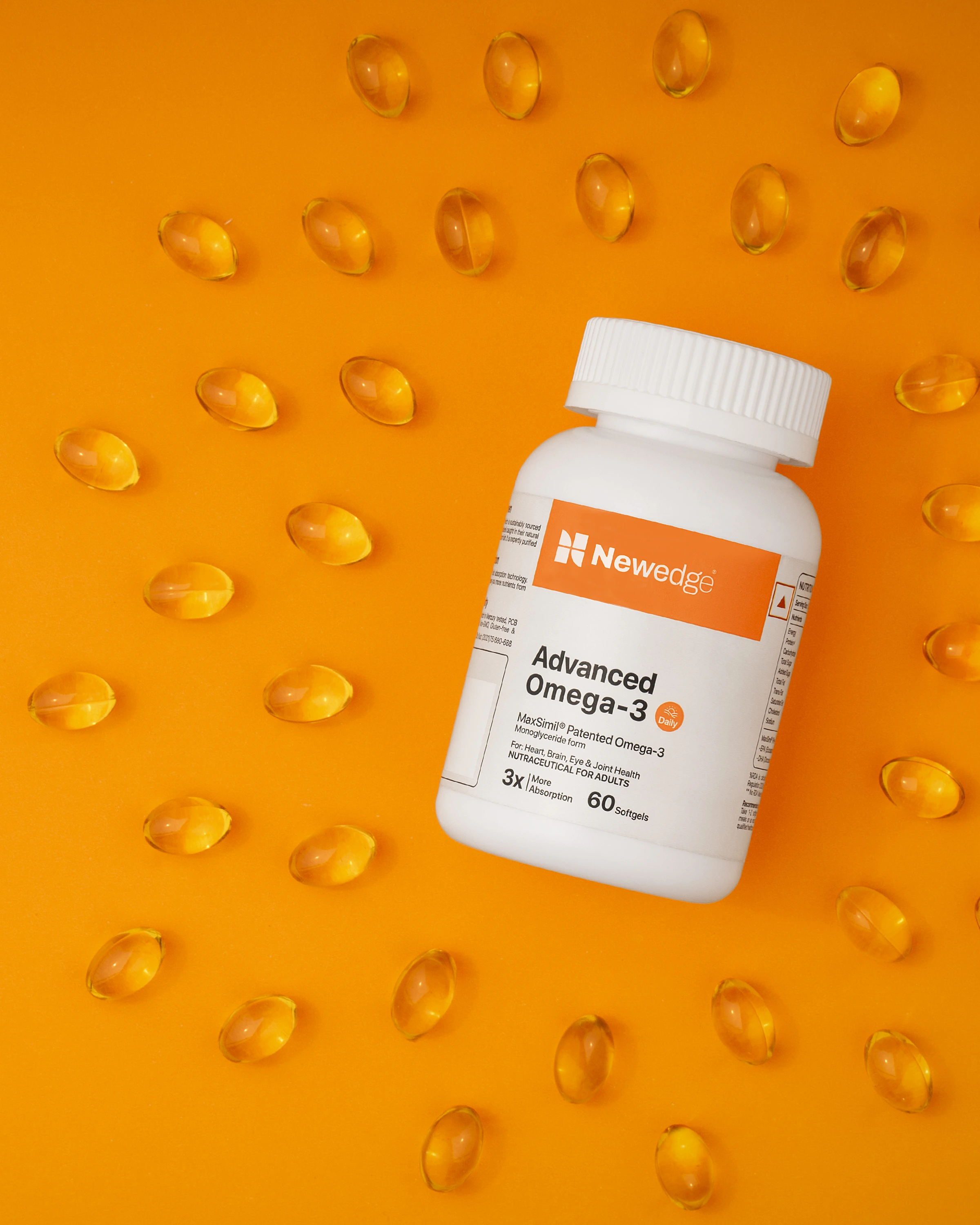
Undoubtedly, fish is the best source of Omega 3 and contains a good amount of these fatty acids enough to fulfill the daily Omega 3 requirements either through diet or fish oil capsules. However, there are some health risks involved in eating fish. Most importantly, most fishes contain high levels of neurotoxins like mercury and the levels are higher in older as well as larger predatory fish. Mercury have shown to have various toxic effects on kidneys, skin, lungs, eyes, and immune systems. Methylmercury is the most poisonous element among all mercury compounds and it is formed when inorganic mercury circulating in general environment is dissolved into seawater and fresh water. Thus, it is always advisable to check the local advisories concerning the safety of fish caught or consumed in local waterbodies. Moreover, methyl mercury is mainly found in fishes like swordfish, shark, tilefish or king mackerels. Studies claim that there is a possibility of methylmercury affecting and poisoning the blood vessel and heart system, alongside other crucial physiological systems like reproductive and immune system. Moreover, many people are not comfortable with the taste of fish especially fatty fish. According to the reports from the Office of Environmental Health Hazard OEHHA, PCBs (Polychlorinated biphenyls) have been found to be in fish which accumulate in our bodies over time and causes cancer alongside harmful health effects. Another study shows that due to increasing water pollution fishes in India are easily contaminated with toxins, bacteria as well as parasites due to degraded water quality (Jayanta Kumar Biswas, Sasanka Pramanik and Kumar, 2023). Also, consumption of raw, improperly cooked or spoiled fish can lead to diarrhea, stomach pain, fever and vomiting. Hence using Omega-3 supplements seem a healthier alternative with no traces of mercury or any metals, free from bacterial contamination having only the useful nutrients from 100% pure fish oil.
How do vegetarians fulfill Omega 3 requirements though their diet
Apart from fish oils, ALA or alpha linolenic acid belongs to a category of short chain omega 3 fatty acids which is found mainly in plants as well as seed oils. Our body cannot produce ALA, it is mainly obtained through a proper plant-based diet. On the contrary, EPA and DHA are long chain omega 3 fatty acids, mostly found in fish oils. EPA can be produced from ALA but the conversion rate is comparatively low, and our body can convert EPA to DHA to a specific limited extent. There are seed oils from plant sources like flaxseed, blackcurrant, chia which contains Omega 3 in the form of ALA but again it needs to be converted to EPA for proper functioning. As mentioned, this conversion rate is inconsistent as well as negligible and most research articles suggest that the conversion of ALA to EPA is as low as 5% while some studies shows that conversion rate is almost zero. Thus overall, consumption of large quantities of flaxseed chia or blackcurrant as well as other seed oils would be good for general health but considering them as useful sources of available omega 3s, they are not sufficient or have to be consumed in double the quantities which is not possible for consumption by a normal person in a day. When it comes to the source of omega 3 fatty acids, there is fish oil for non-vegetarians and vegan omega for vegetarians. Vegan Omega 3 during the preparation of the essential fatty acids might have lower efficiency than fish oil in the successful delivery of pre formed EPA and DHA since it requires high conversion rates as well as higher quantities for observable health benefits calling for dietary supplements. Moreover, plant-based omega 3 sources could provide essential ALA, but attention to conversion rates as well as alternative natural supplements like algal oil might be required for adequate EPA+ DHA levels.
Related Blogs
Explore MoreHow Newedge Omega-3 reduces heart risks
Are you scared of recent increase in heart attack rates? Here’s how we can protect our heart and our family too

How Amino Acids, Mg, Vit B6 calms nervous system
There are multiple amino acids and vitamins which calm down the nervous system, helping in sleep restoration and relaxation

What is Magnesium Deficiency: A Complete Guide
Feeling tired all the time? It might be magnesium deficiencyLearn how it affects you more than you know