Vitamin K2: Information you need to know
July 13, 2026Wellness

Vitamin K2: Information you need to know

What is Vitamin K?

Vitamin K is an essential fat-soluble vitamin involved in the process of making various proteins needed for blood clotting and bone formation. 
For eg: Prothrombin is a vitamin K dependent protein involved in blood clotting. Osteocalcin is another protein which requires Vitamin K in producing health bone tissues. 
 There are 2 types of Vitamin K
• Vitamin K1 – Also known as phylloquinone (Vit K1), Vitamin K1 is essential for blood clotting. It is commonly found in plants like leafy green vegetables.

• Vitamin K2 – Also known as menaquinone (Vit K2), Vitamin K2 is found in animal and fermented foods produced by gut bacteria. It is important for supporting healthy teeth, strong bones and is also known for elevating our entire cardiovascular system.
Vitamin K2 could be further divided into the following categories:

o MK-4
o MK-7
Vitamin K2 is better absorbed from the digestive tract into the bloodstream than Vitamin K1.

Interesting facts about Vitamin K2

• Vitamin K2 exhibits a variety of subtypes distinguished by the length of their side chains ranging from 1- 13 unsaturated isoprene units.

• Vit K2 is produced endogenously by intestinal bacteria and less widely distributed in the diet as compared to Vit K1

• Vitamin K2 deficiency is more than Vitamin K1 since the latter is synthesized in the body and obtained from animal sources.

Vit K2 rich dietary sources

The most common sources of Vitamin K2 are as follows

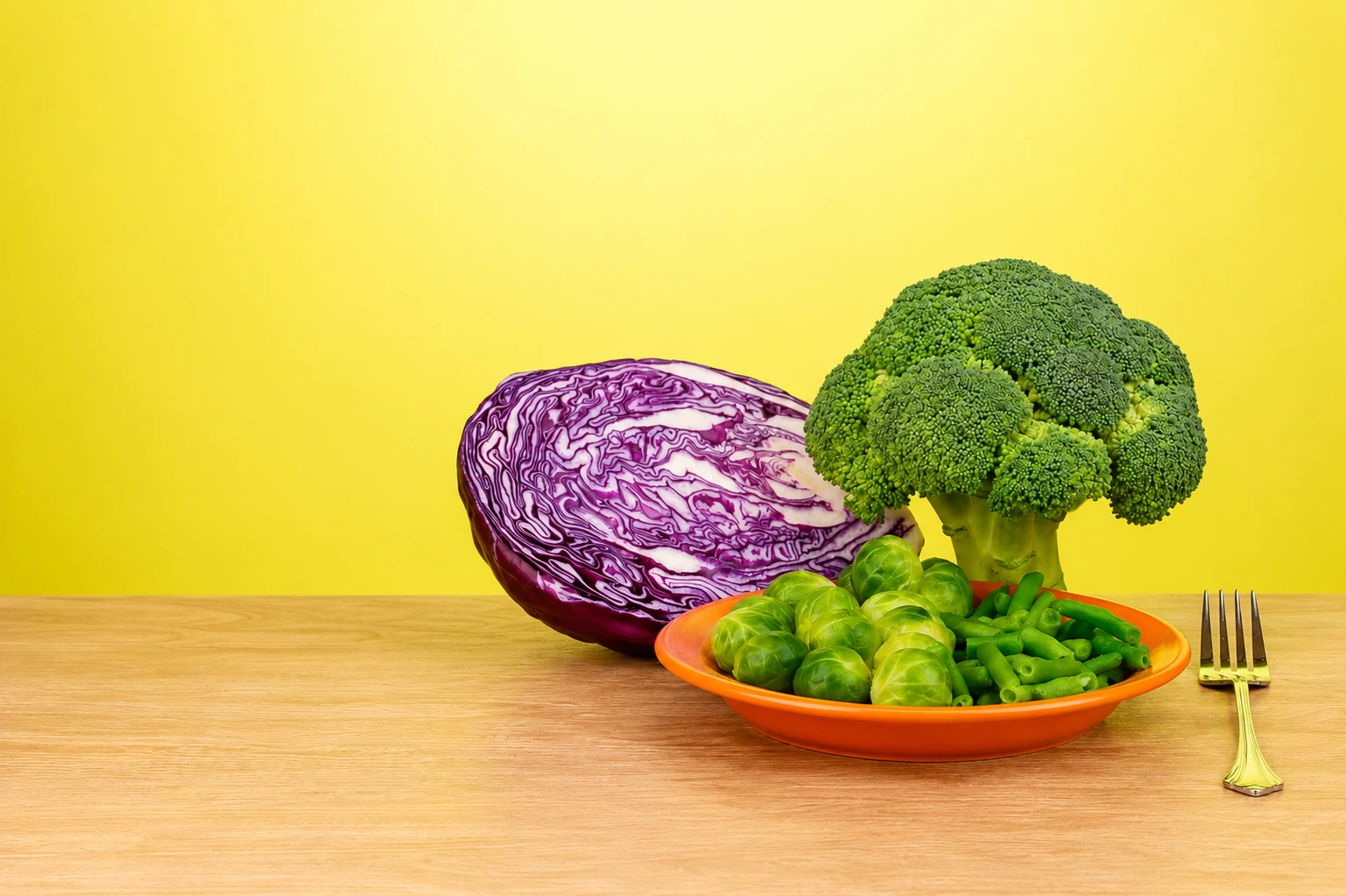
• Spinach
• Kale
• Broccoli
• Fermented Soy (Natto)
• Sauerkraut
• Fermented milk (Kefir)
• Cheese
• Egg yolks

Reasons for Vitamin K and K2 deficiency

• Imbalance in intestinal flora: Vitamin K2 is produced in the intestinal microbiome but the levels are not sufficient to fill the minimum quantity as per RDA. Currently, all the available food habits are going through a transformation and this drastic change of dietary choices affect Vit K bioavailability, modulating the gut microbiome composition affecting the Vit K reserves. 

Specifically considering Vit K2, antibiotics reduce Vit K2 production through the destruction of VK2 producing bacteria in the gut. Also, proton pump inhibitors impact the VK2 status through its effects on the intestinal flora. 

• Physiological and genetic factors: There are various physiological factors influencing the absorption and utilisation of Vitamins which are as follows
o The absorptive capacity of the human gut gradually declines with age and this causes VK2 deficiency in middle aged and elderly people. 
o Patients with liver as well as gallbladder diseases and elderly patients with metabolic diseases have compromised absorptive ability leading to Vitamin K2 deficiency.

• Drug-drug interactions: 
Vitamin K is known for its interaction with certain drugs affecting the concentration and action of Vit K2 in the body. One such example is warfarin which is a vitamin K antagonist blocking its circulation in the liver leading to its deficiency.
Similarly, statins are cholesterol lowering drugs which reduce Vitamin K absorption and similar lipid soluble vitamins. 

Are we receiving enough Vitamin K2 through our diet in current times?

Vitamins especially Vit K2 is not found in junk food, it is rarely consumed in an average healthy western diet. Considering the modernization in the current food manufacturing processes, Vit K amount have decreased considerably, increasing the need of external supplementation. This is concerning because Vit K deficiency results in the inadequate activation of the Matrix GLA protein impairing calcium removal process increasing calcification risks in the blood vessels. In other words, an increased Vit K2 intake is a direct means of lowering calcium associated health risks in both men and women. A new clinical study shows that Vit K2 supplementation has shown an direct improvement in arterial elasticity as well as regression in arterial stiffening. Moreover, Vit K2 plays a dual role, reducing vitamin deficiency related disorders and optimizing the calcium use, preventing potential negative health impacts associated with an increased calcium or reduced vitamin K2 intake (Katarzyna Maresz, 2015).  

Why taking Vit K2 supplement alone is not effective without Vitamin D3

Ideally, the work of Vit K2 and D3 is inseparable with both of them having synergistic effects on each other. Let us see how
o Vitamin D3 absorbs the calcium from food helping in increasing calcium absorption. More specifically, Vitamin D3 enhances osteocalcin production which is a quintessential bone building protein. However this osteocalcin in inactive.

o Vitamin K2 activates osteocalcin through carboxylation, allowing it to bind the calcium thus integrating in the bones and redirects this calcium into its required location i.e. the bones. If Vit K2 is not present, calcium will get deposited in the soft tissues like the arteries thus causing heart diseases.

Related Blogs

Explore More